
Hospitals are places of healing, but they can also be environments of significant stress. Patients are often asked to absorb complex information about procedures, medications, and recovery protocols while feeling anxious or overwhelmed. Research confirms that stress significantly impairs memory, attention, and the ability to learn.
To achieve superior patient outcomes and adherence, hospital education must evolve from a passive requirement into an interactive, immersive, and emotionally supportive experience.
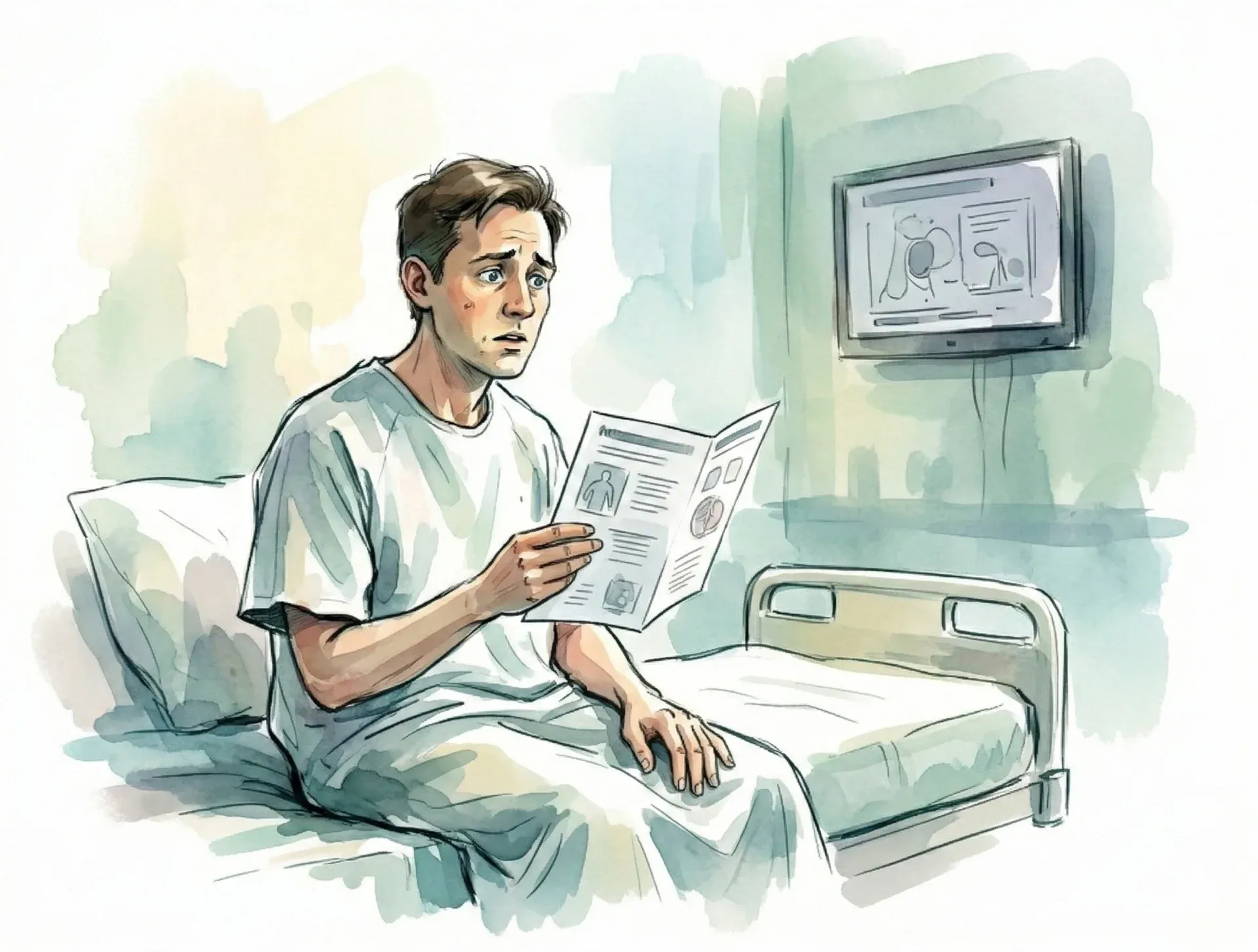
Why Traditional Patient Education Methods Are Failing
Traditional methods like paper pamphlets and static videos rely on passive consumption, which often leads to low retention. Learning science shows that active participation is the key to knowledge acquisition. By transforming patients into active participants through quizzes, puzzles, and interactive modules, hospitals can reinforce critical care behaviors.
The Benefits of Interactive Patient Education Solutions for Hospitals
Hospitals implementing interactive patient education tools have reported significant improvements:
- 10% increase in overall patient satisfaction.
- 42% improvement in satisfaction scores specifically for educational materials.
- Shorter hospital stays and better pain management outcomes.
Research highlights that interactive digital interventions are directly associated with stronger patient engagement and improved self-management behaviors. When patients are engaged, they are more likely to understand their procedures, follow mobility protocols, and adhere to medication regimens.
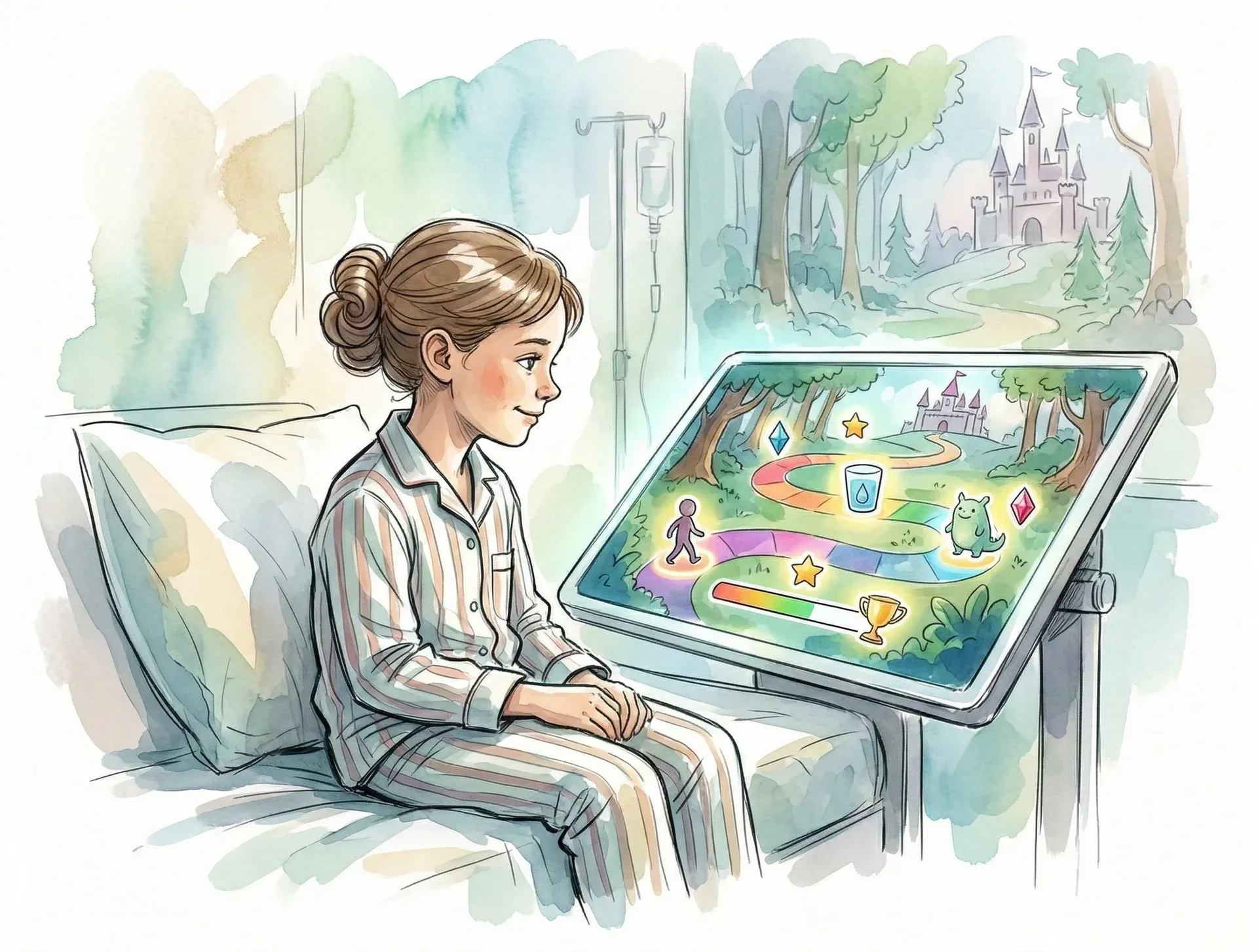
Gamification in Pediatric Care: Turning Recovery into a Quest
For young patients, the hospital can be an intimidating landscape. Gamification, the application of game design elements in non-game contexts, transforms a scary medical journey into a rewarding quest.
The use of points-based reward systems and interactive challenges provides more than just entertainment; they serve a clinical purpose:
- Neurochemical Reinforcement: Gamification strategies directly influence neurochemical networks in the brain, activating reward circuitry and dopaminergic pathways that promote deeper learning and knowledge retention.
- Behavioral Motivation: By earning points for completing educational modules or hitting recovery milestones (like mobility exercises), children feel a sense of agency and achievement.
- Anxiety Reduction: Interactive games serve as powerful distractions, reducing perceived pain and anxiety during medical procedures.
Leveraging AI Companions for Emotional Support and Better Adherence
Isolation is a significant barrier to recovery, particularly for pediatric and adolescent patients. Social connection acts as a buffer against stress and is essential for emotional and cognitive growth during hospitalization.
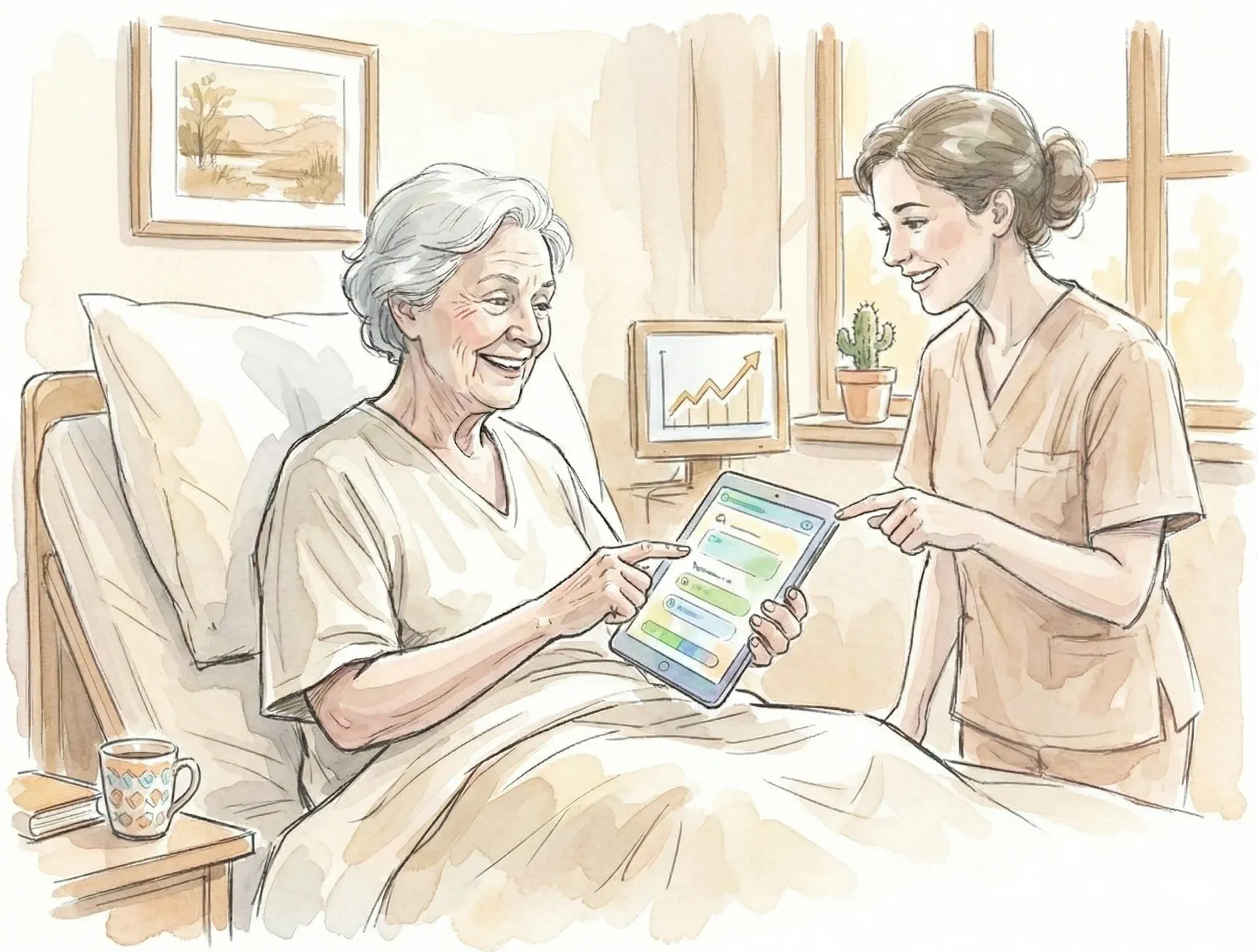
Integrating social elements into the patient experience offers profound benefits:
- Peer Support and Normalcy: Connecting with other patients who share similar experiences significantly decreases symptoms of depression and anxiety. It fosters a sense of “camaraderie and community,” helping young patients navigate their journey with shared strength.
- Increased Confidence: Structured peer interaction can increase social confidence, making young people more comfortable sharing their concerns and asking necessary questions about their care.
- Emotional Resilience: Relationships are “agents of change”. Providing “alternative presence pathways” where kids can interact digitally with peers or siblings reduces the trauma of isolation and helps maintain positive emotional states.
Education supports cognition, but companionship supports confidence. Research on conversational AI in healthcare shows that patients often perceive these systems as supportive and trustworthy. Even digital companionship can reduce uncertainty, which is a major driver of adherence and participation.
By providing an empathetic, personable guide, hospitals can ensure patients feel supported rather than overwhelmed. These guides can clarify procedures, provide reminders for mobility or hydration, and offer consistent encouragement throughout the stay.
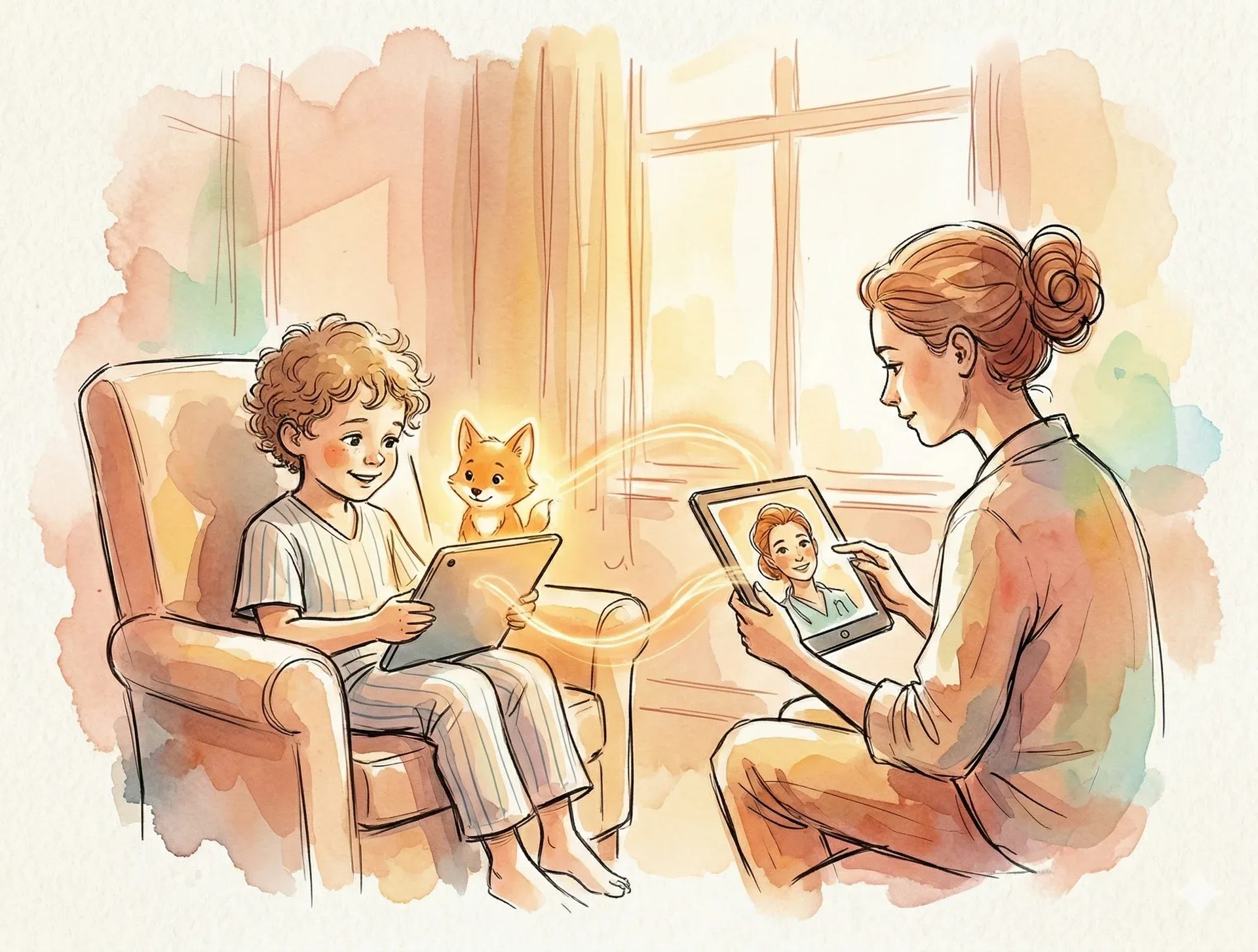
Future-Proofing Hospital Care with the Ouva Sensory Platform
The next generation of healthcare solutions must address both the mind and the heart. The Ouva Sensory Platform brings this vision to life by integrating these powerful elements into a single, immersive hospital solution.
Through the use of personable AI companion characters, Ouva provides young patients with empathetic guides that make the clinical environment feel friendly and approachable. These characters facilitate:
- Interactive Learning: Engaging children in gamified activities where they can collect points for reaching health goals.
- Peer Connection: Creating a shared environment where patients can connect and feel part of a community, reducing the emotional burden of their stay.
- Calming Support: Guiding patients through sensory exercises and interactive play to lower anxiety and prepare them for learning.
By balancing interactive education with genuine emotional support, hospitals can measurably improve patient understanding, reduce stress, and support stronger, faster recovery outcomes.
Learn more at: Ouva Solutions
Frequently Asked Questions
How does interactive education reduce hospital readmissions?
Interactive education improves patient adherence and comprehension. Better retention of complex information, such as mobility protocols and medication regimens, reduces post-discharge complications, which is a major factor in readmission rates.
What is the impact of interactive patient education on satisfaction (HCAHPS) scores?
Hospitals implementing interactive patient education tools have reported a 10% increase in overall patient satisfaction and a significant 42% improvement in satisfaction scores specifically related to educational materials. When patients feel more informed and engaged, their perception of care improves.
How does the Ouva Sensory Platform contribute to shorter hospital stays?
The platform aids in shortening hospital stays by driving patient engagement and adherence. The interactive learning and supportive guidance lead to a better understanding of care plans and discharge instructions, which minimizes complications and supports a stronger, faster recovery.
How do AI companions support patients emotionally during recovery?
AI companions serve as an empathetic, personable guide that helps reduce the trauma of isolation. Social connection acts as a crucial buffer against stress, and these digital guides reduce patient uncertainty, which is a powerful driver of confidence and adherence to care plans.
How does gamification help pediatric patients?
Gamification transforms an intimidating hospital stay into a rewarding quest. By using points-based reward systems and interactive challenges, the process reinforces critical care behaviors, promotes knowledge retention through neurochemical pathways, and serves as a powerful distraction to reduce perceived pain and anxiety.
How can hospital staff change and create their own education content using the Ouva Platform?
The Ouva Sensory Platform is designed with a content management system that allows hospital staff to easily customize existing educational modules and upload institution-specific information. This ensures that the supportive guidance and interactive content are always relevant to the hospital's specific protocols, enhancing its value for both patients and clinical teams.
Can these tools be used for patients with limited English proficiency?
Yes. To ensure equitable access to care and education, the Ouva platform is designed to be multilingual, supporting patients with limited English proficiency by delivering critical educational content and supportive guidance in their preferred language.
How to improve patient education in hospitals?
To move beyond passive consumption, education must become an interactive, immersive, and emotionally supportive experience. Implementing digital tools that encourage active participation, utilize gamification, and include supportive AI companionship is key to measurably improving patient outcomes and adherence.
How does high stress affect a patient's ability to learn?
Research confirms that high stress significantly impairs a patient's cognitive functions, including memory, attention, and the ability to learn and absorb new information. By providing calming and supportive interventions, interactive platforms create a mental state more conducive to effective knowledge acquisition.