
April 1, 2026, marks the start of Autism Acceptance Month. This year’s global theme, “Celebrate Differences,” reflects an important shift for clinicians, educators, and families alike: moving beyond awareness and toward meaningful acceptance, inclusion, and empowerment.
In practice, acceptance means more than recognition. It means creating environments, routines, and support systems that help neurodivergent individuals feel understood, regulated, and able to thrive.

2026 Global Theme: “Celebrate Differences”
The 2026 theme is a reminder that neurodiversity is not a problem to be fixed. It is a natural variation of human experience that deserves respect, accommodation, and thoughtful support.
In a clinical setting, that means moving away from a compliance-only model and toward a more humane, outcomes-focused approach. The goal is not simply to reduce visible friction. The goal is to improve quality of life, strengthen autonomy, and support emotional well-being.
The Clinical Foundation: Early Intervention and Neuroplasticity

Early identification and support remain cornerstones of effective autism care. With current estimates showing that 1 in 36 children is identified with autism spectrum disorder (ASD), the early years remain a critical window for development.
High-quality early intervention can support meaningful gains in communication, adaptive behavior, and confidence for both children and caregivers. Just as important, it gives families a clearer path forward at a stage when guidance can make the biggest difference.
Neuro-Inclusive Design: The Modern Sensory Room
Acceptance also shows up in the spaces we create. Modern neuro-inclusive design moves beyond static rooms and toward responsive environments that can adapt to a learner’s needs in real time.
To build a stronger sensory environment in 2026, clinics and schools are increasingly focusing on:
- Adaptive lighting: Dimmable, calming light settings that help reduce overstimulation.
- Dynamic interactive walls: Engaging sensory wall panels for autism that respond to movement, attention, and participation.
- Purposeful zoning: Clear separation between de-escalation areas for calming and active zones for motor practice, exploration, or guided learning.
For a deeper dive into classroom environments, see our guide on best practices for effective sensory rooms in schools.
Bridging the Gap: From the Clinic to the Home
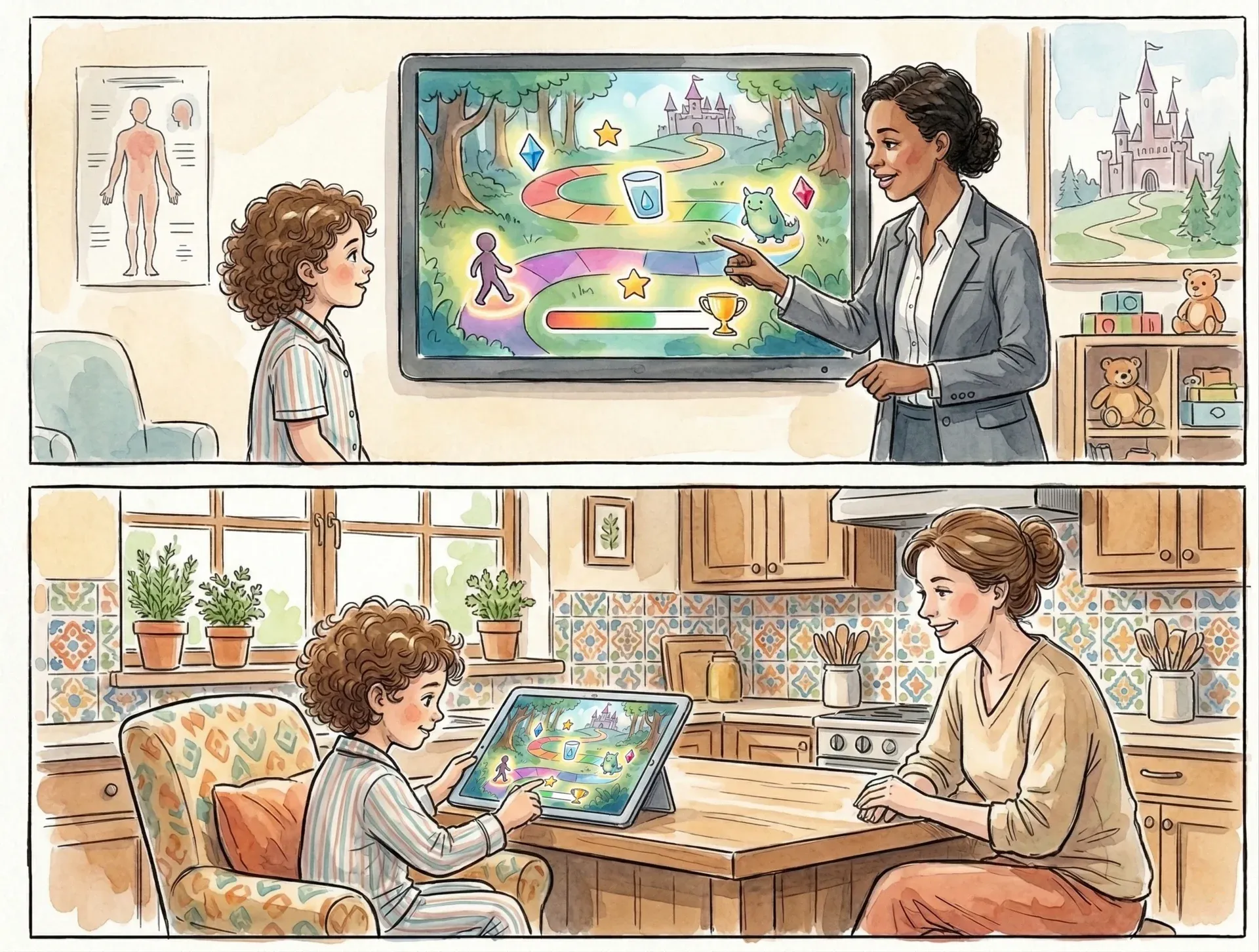
A child may do well in a structured clinic but struggle to transfer those gains into the more complex sensory environment of home. Acceptance in practice means helping families carry supportive strategies beyond the therapy session.
By extending therapy support into the home, families can:
- Maintain consistency: Reinforce therapy goals between sessions using familiar routines, prompts, and guided activities.
- Reduce transition anxiety: Use visual schedules and predictable digital supports to make daily routines easier to navigate.
- Strengthen caregiver confidence: Give parents practical, engaging tools they can use without needing to recreate a full clinical setting at home.
Community Action Guide: How to Show Up
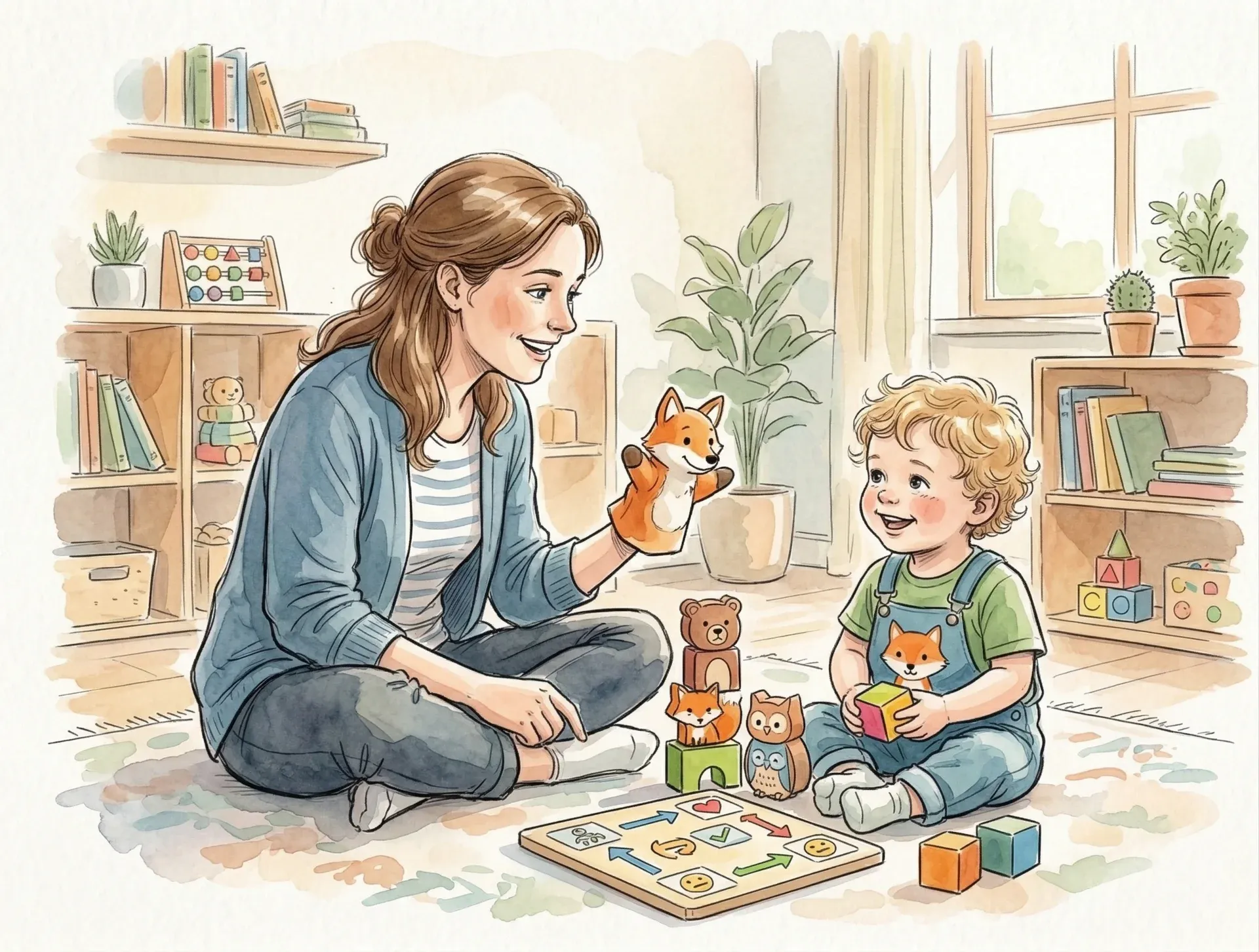
Acceptance is a shared responsibility. Small, thoughtful changes in how we communicate and respond can make a real difference in daily life.
Here are three practical ways clinicians, educators, and peers can show up more effectively:
- Honor processing time: Leave space after asking a question so the individual has time to process and respond.
- Validate sensory needs: If a sound, light, texture, or transition feels overwhelming, acknowledge that experience instead of minimizing it.
- Use multi-modal communication: Pair spoken instructions with visual prompts or digital cues to reduce cognitive load and improve clarity.
Checklist for Parents: Evaluating Intervention Tools

Choosing the right support tools can shape the quality and consistency of a child’s experience. When evaluating a new program, platform, or activity, ask:
- Is it personalized? Can the sensory input, pace, and difficulty be adjusted to fit your child’s needs?
- Is it engaging? Does it encourage participation through interest and motivation rather than simple compliance?
- Does it support regulation? Are there calming modes or experiences designed to help with de-escalation?
- Is it evidence-informed? Was it shaped by therapists, educators, or clinical best practices?
- Does it promote agency? Can your child make choices and actively influence the experience?
Organizations to Follow During Autism Acceptance Month
We encourage our community to support organizations doing meaningful work in advocacy, education, and research:
- Autism Society: Helping create a world where everyone is connected to the support they need.
- Organization for Autism Research (OAR): Applying research to the everyday realities faced by autistic individuals and their families.
- Autistic Self Advocacy Network (ASAN): Advancing disability rights, self-advocacy, and inclusive policy.
Moving Forward
Autism Acceptance Month should be more than a moment on the calendar. It is an opportunity to build environments, tools, and care models that respect neurodiversity every day.
Explore how Ouva supports autism therapy clinics or browse our case studies to see how immersive, supportive environments can help learners thrive.
Related Reading

Complete Guide to Autism Support: Strategies & Tech 2025
This guide explores the innovative technologies and evidence-based strategies that are revolutionizing autism support in 2025.
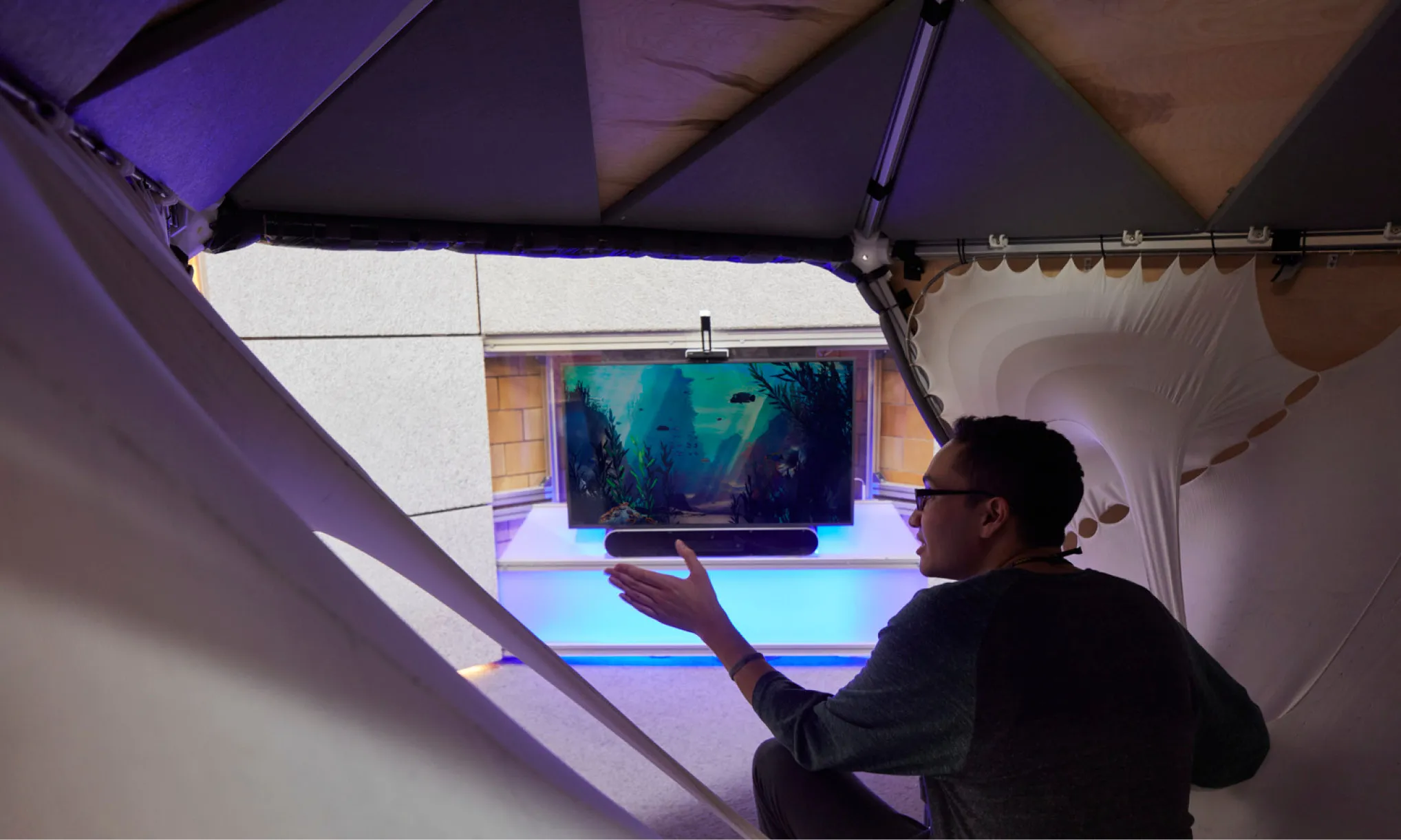

Best Practices for Effective Sensory Rooms in Schools
Read our best practices for designing effective sensory rooms in schools. Empower neurodiverse students with interactive environments and sensory displays.
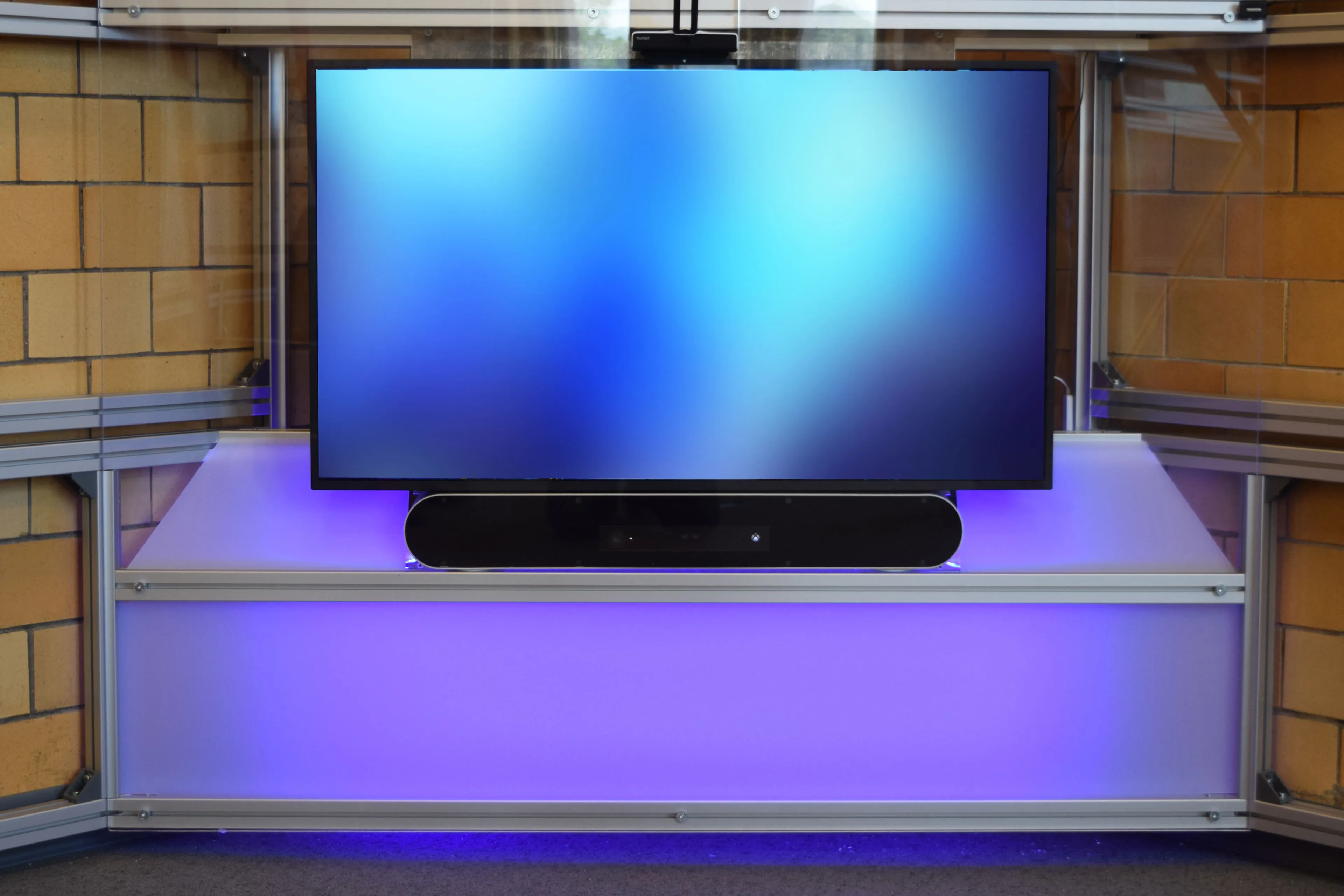
Ouva partners with HKS for autism school environments
Learn how Ouva and HKS Architects partnered to build an interactive sensory room at Lane Tech, empowering students with autism through immersive displays.