
The integration of sensory environments into domestic and educational settings represents a critical advancement in the management of neurodiversity and student well-being. Modern Sensory Room Solutions have evolved from basic tactile rooms into sophisticated, data-driven ecosystems that leverage artificial intelligence (AI), ambient sensing, and bio-responsive technology to provide tailored interventions [15, 18]. Organizations like Ouva are currently redefining this space by deploying autonomous operating systems for patient care, transforming traditional environments into smart, immersive landscapes [15, 23].
The Paradigm Shift: From Reactive Tools to Smart Sensory Integration
The traditional approach to sensory support was often reactive providing stimulation or calming tools only after a state of dysregulation occurred. The contemporary shift toward Smart Sensory Spaces represents a move toward proactive, preventative care. As detailed in the Effective Sensory Room Design, these environments use contactless sensors to monitor a user’s physiological state and behavior in real-time, allowing for early intervention before a crisis point is reached [20, 2].
By combining environmental data with real-time feedback, these spaces significantly reduce the administrative and emotional burden on caregivers and educators [17]. This proactive stance is particularly effective in inclusive classrooms where immersive sensory experiences can be integrated seamlessly into daily routines without the risks associated with high-touch surfaces [9].
The 8 Sensory Systems: A Foundation for Design
To create a truly comprehensive environment, one must look beyond the five basic senses. Effective solutions address the complex interplay of all eight sensory systems including the vestibular, proprioceptive, and interoceptive systems to foster regulation and development [29, 22].
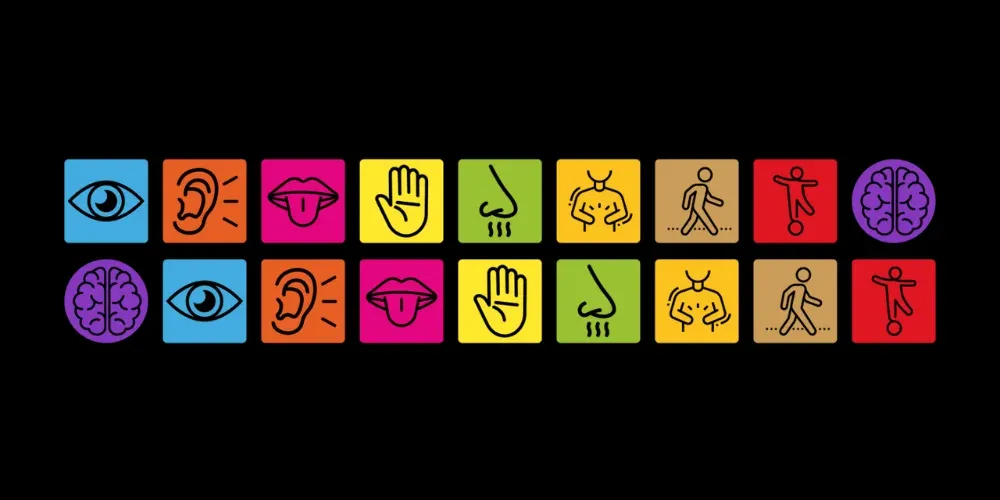
Image Credit: Sensory Integration Education
| Sensory System | Focus Area | Innovative Solution |
|---|---|---|
| Vestibular | Balance and spatial orientation. | Therapy swings or AI-monitored movement platforms [27, 6]. |
| Proprioceptive | Body awareness and muscle input. | Weighted blankets, compression tunnels, or “crash pads” [31]. |
| Interoception | Internal body signals (e.g., heart rate). | Bio-responsive light systems reflecting calmness [14, 5]. |
| Tactile | Touch and skin sensation. | Sensory walls and vision-based Interactive Walls [18, 7]. |
| Visual | Light, color, and tracking. | Sensory bubble tubes, fiber optics, and 4K digital landscapes [25, 13]. |
Creative Sensory Room Ideas for Schools
Schools require high-traffic, durable solutions that can be shared by multiple students. As explored in Best Practices for Sensory Rooms in Schools, the integration of technology into the classroom environment helps bridge the gap between education and therapy [19].
- Interactive Sensory Corridors: Utilizing sensory paths, sensory wall panels for schools, and floor decals to provide “heavy work” proprioceptive input between classes [27, 4].
- Adaptive Healing Environments: Floor-to-ceiling 4K screens, like the Ouva Sensory Platform, create immersive worlds where children interact with virtual marine life or paint rainbows with their movements. This technology, highlighted in Stanford’s Coastal Life case study, fosters social development and motor skills without physical touch [18, 19].
- Acoustic Clouds: Hanging sound-absorbing panels that reduce classroom “hum,” essential for auditory-sensitive students [34, 11].
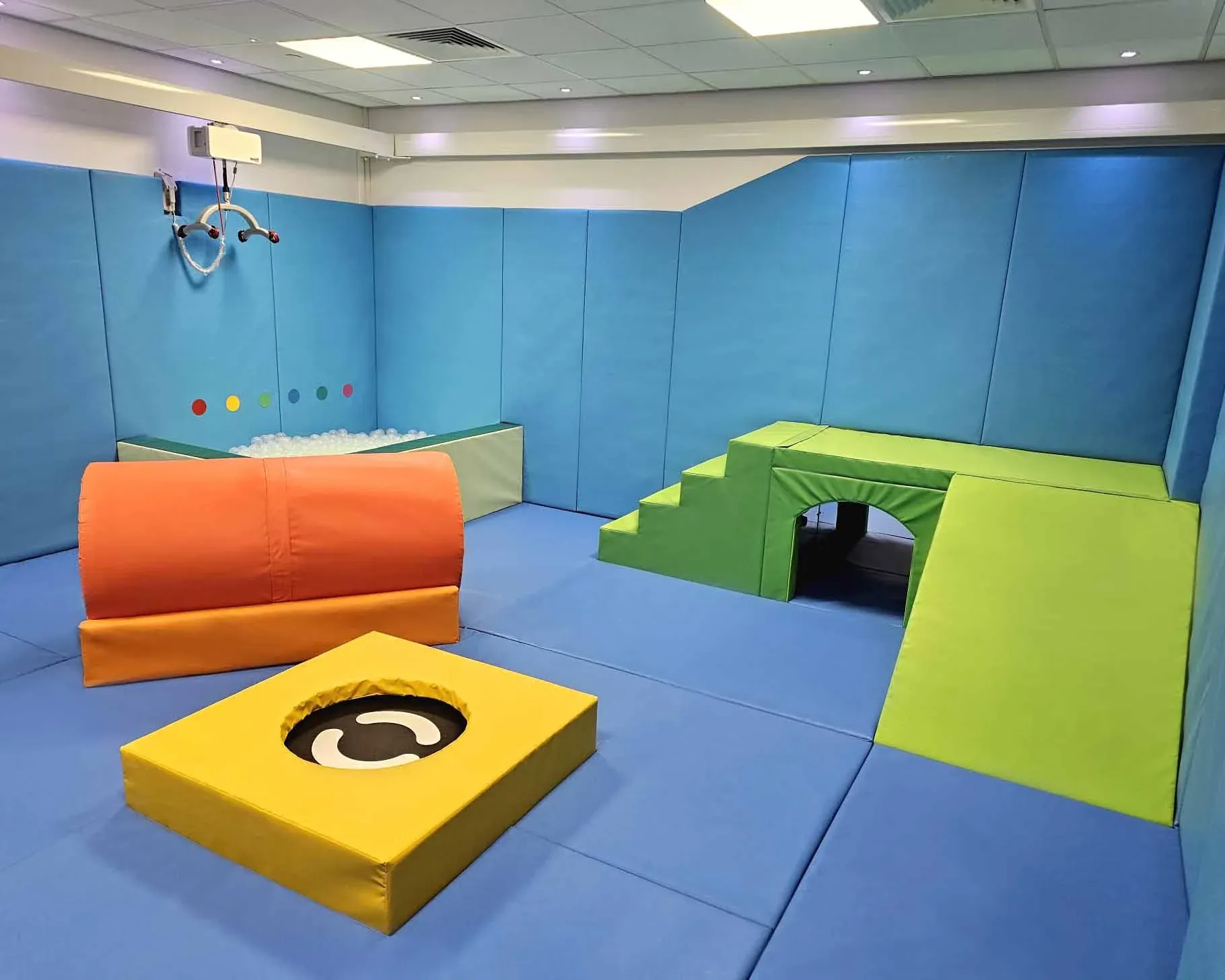
Image Credit: Senteq — Sensory Circuit Ideas for Schools
Sensory Room Solutions for the Home
Home-based solutions focus on smaller footprints and affordability. For detailed evidence-based strategies, parents can refer to the Complete Guide to Autism Support [21].
- Pop-up Sensory Nooks: Using blackout tents or specialized “bed tents” to create private, low-stimulus escapes [1, 12].
- Smart Home Integration: Utilizing app-controlled LED strips and soundscapes to shift the home atmosphere from active to calming during transitions [3, 32].
- Personalized Sensory Bins: Thematically rotated tactile experiences using safe, non-toxic materials [8].
The Science of Active Engagement: User Agency
Research confirms that User Agency, the ability for the individual to control their environment is the most critical factor in successful regulation [13, 9]. In both home and school settings, allowing a student to change the color of their space or interact with a virtual environment provides a sense of mastery that significantly reduces anxiety [26]. This “Active Engagement” model, powered by Ambient AI, outperforms passive tools by directly reducing repetitive behaviors and increasing focused attention [13, 2].
Advanced Bio-Responsive Technology: HRV and Beyond
One of the most promising developments in sensory technology is the use of wearable sensors to monitor Heart Rate Variability (HRV), a scientifically-proven biomarker of stress [14, 16]. Platforms like Lief use AI to analyze these signals in real-time. In a bio-responsive sensory room, this data can be used to automatically adjust the environment to provide an adaptive atmosphere based on the user’s stress indicators [5, 23].
Conclusion: The Future of Proactive Sensory Environments
The evolution of sensory spaces marks a definitive shift from reactive tools to proactive, smart environments that prioritize preventative care. By addressing the complex interplay of all eight sensory systems and placing a premium on user agency, these modern solutions foster deeper regulation and mastery. Whether in home or school settings, the integration of bio-responsive AI technology ensures that sensory interventions are personalized, immersive, and highly effective, ultimately transforming how we support neurodiversity and well-being.
Related Reading
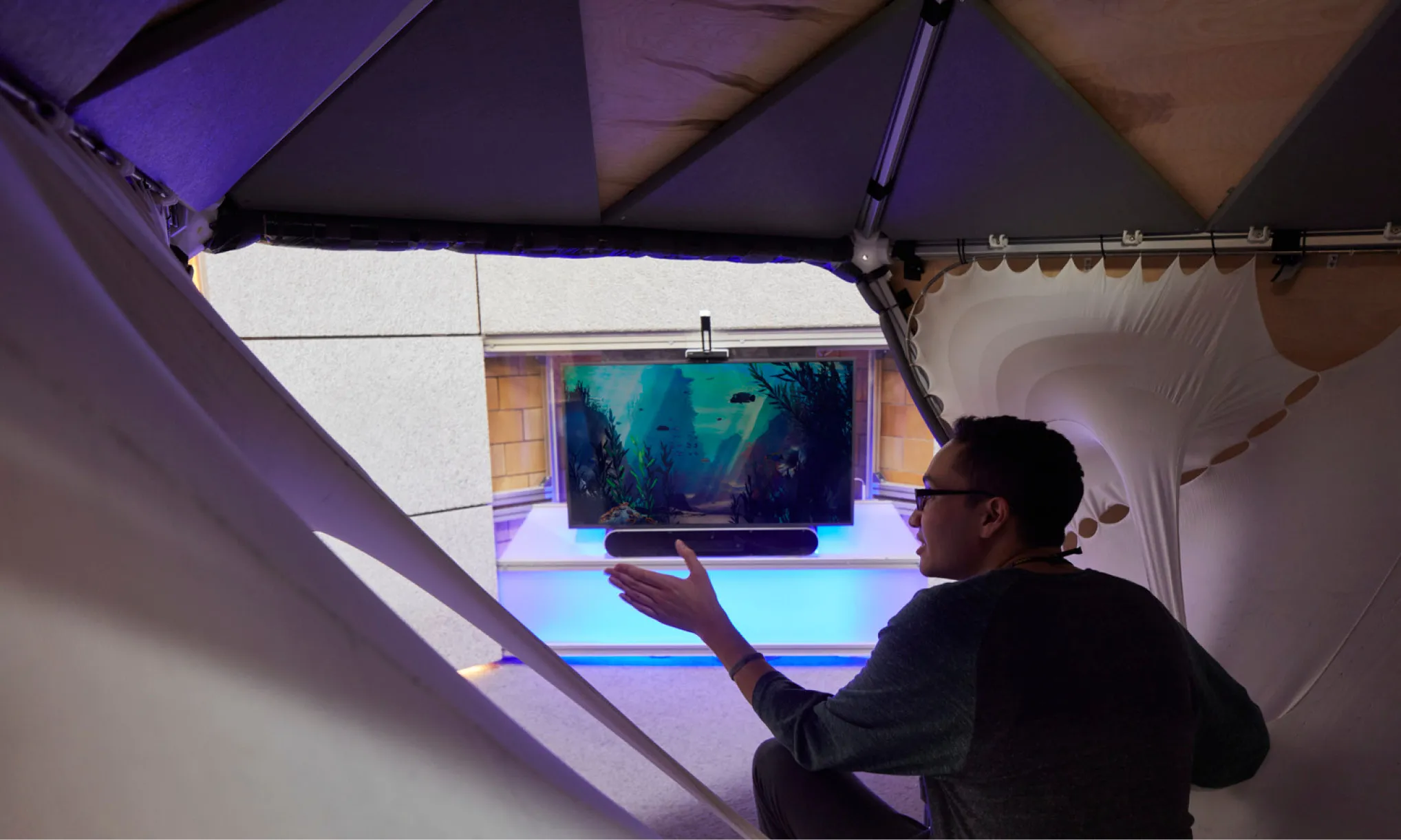

Best Practices for Effective Sensory Rooms in Schools
Read our best practices for designing effective sensory rooms in schools. Empower neurodiverse students with interactive environments and sensory displays.
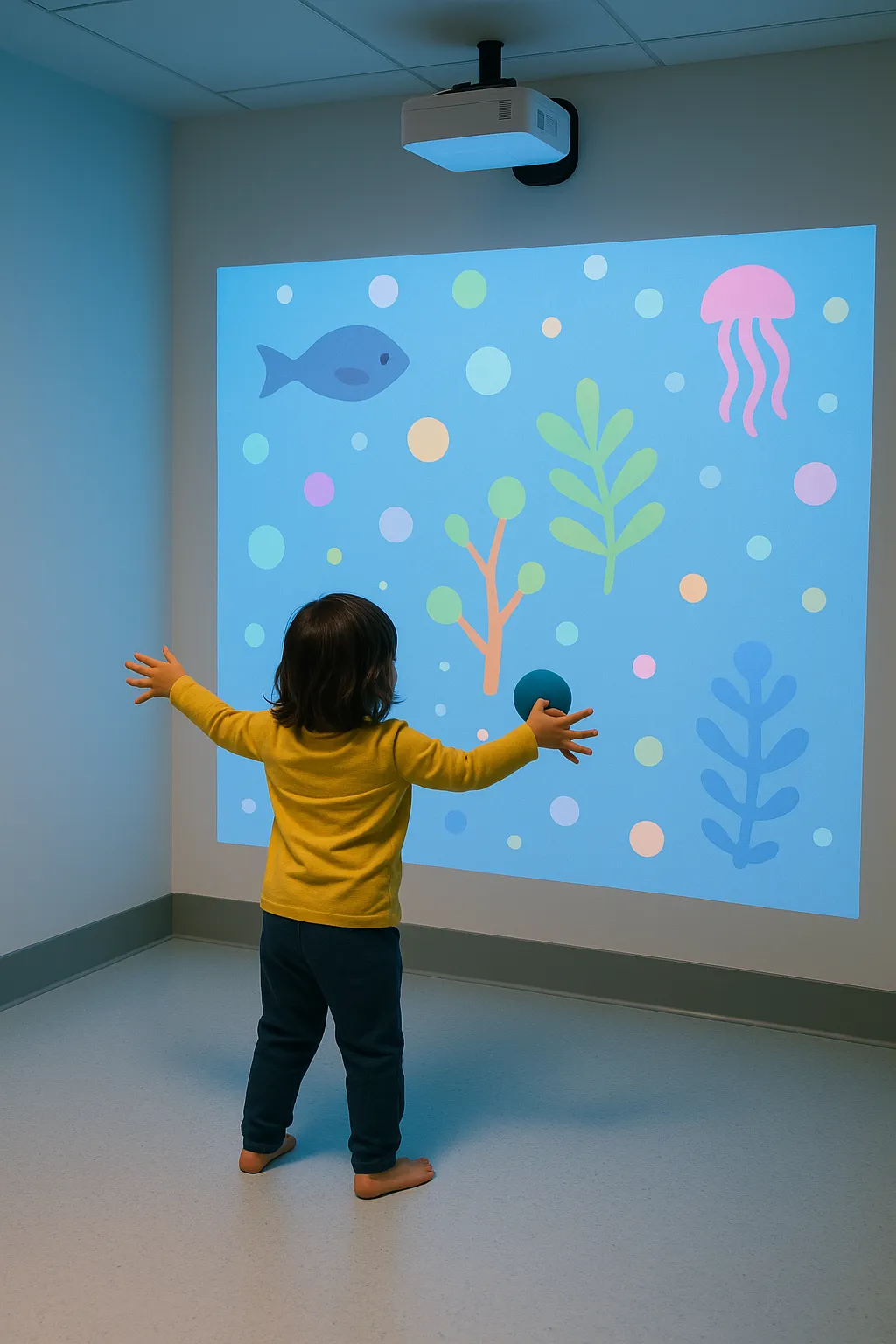
Interactive Sensory Walls for Autism (ASD) & Therapy
Discover how AI-powered interactive sensory walls are transforming autism therapy by providing personalized, engaging, and adaptive sensory experiences.

Complete Guide to Autism Support: Strategies & Tech 2025
This guide explores the innovative technologies and evidence-based strategies that are revolutionizing autism support in 2025.